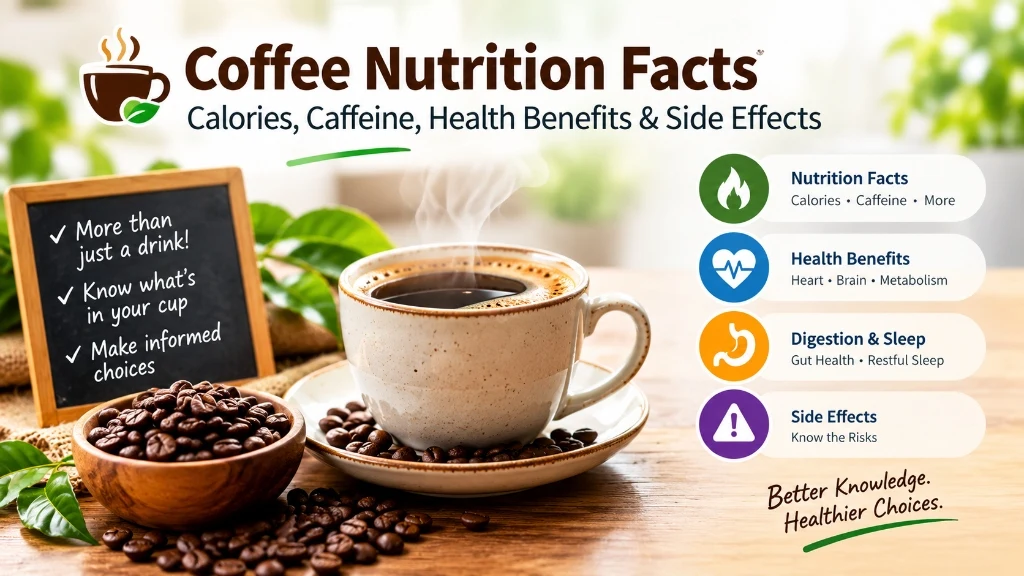
A standard 8-ounce (240 ml) cup of plain black brewed coffee contains roughly 2 calories, zero grams of fat, and zero sugar, along with 70 to 140 milligrams of caffeine (averaging 95 mg). Beyond caffeine, coffee provides chlorogenic acid antioxidants, potassium, and magnesium. Observational research links 3 to 4 daily cups with favorable metabolic, liver, and cardiovascular profiles. However, caffeine sensitivity, sleep timing, brew filtration, and added milk or sugar fundamentally alter both its nutritional profile and personal physiological impact.
More than two billion cups of coffee are consumed globally every day, making it one of the most widely consumed beverages on earth. For millions of people, a morning brew is a cherished ritual that sharpens mental focus and signals the start of the workday. In India, rich coffee traditions span generations, from the aromatic, frothy tumbler of South Indian filter coffee brewed with chicory and boiled milk across Tamil Nadu and Karnataka, to convenient instant coffee powders whisked at home, to modern specialty espresso bars in bustling urban hubs.
Yet while most people reach for coffee primarily for its caffeine kick, coffee is far more than a stimulant. Brewed coffee is a complex chemical solution containing hundreds of bioactive compounds, including chlorogenic acids, trigonelline, cafestol, kahweol, and melanoidins. Nutrition researchers increasingly study these phytochemicals for their potential influence on cardiovascular health, blood glucose control, cellular oxidation, and liver function.
At the same time, coffee is not a uniform beverage. The calories and caffeine in your mug depend entirely on what you brew and how you serve it. A cup of black pour-over contains almost no calories, whereas a café beverage loaded with whole milk, vanilla syrup, and whipped cream easily exceeds 300 calories. This guide breaks down verified laboratory data from the USDA, clinical evidence on cardiovascular and metabolic health, clear caffeine comparisons across brewing styles, and practical rules for drinking coffee without disrupting your sleep or digestion.
Coffee Nutrition Facts at a Glance
When consumed plain without milk, cream, or sweeteners, brewed coffee consists of more than 98.5% water. The remaining solids consist of water-soluble organic acids, minerals, volatile aromatic oils, and caffeine extracted from the ground roasted beans.
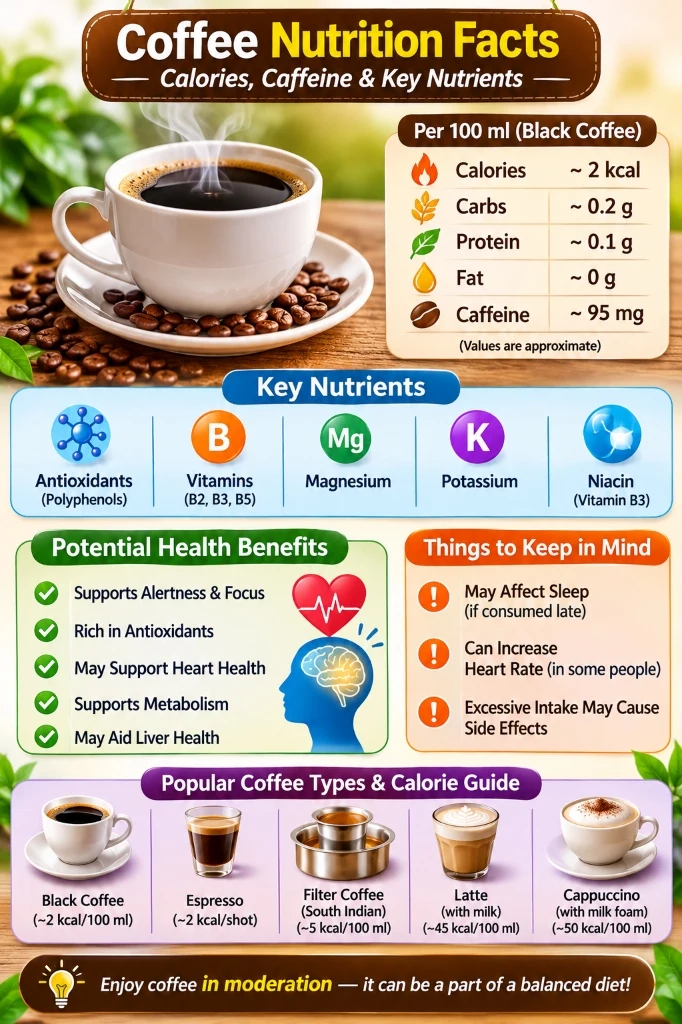
According to compositional data from USDA FoodData Central (FDC ID 171890, Coffee, brewed from grounds, prepared with tap water), an 8-ounce cup (approximately 237 to 240 grams) supplies fewer than 3 calories and zero macronutrient fat or sugar.
| Nutrient | Per 100 ml (approx. 100 g) | Per 8 oz Cup (240 ml / 237 g) | Daily Value (% DV)* |
|---|---|---|---|
| Energy (Calories) | 1 kcal | 2.4 kcal | < 1% |
| Total Fat | 0.02 g | 0.05 g | 0% |
| Saturated Fat | 0.004 g | 0.01 g | 0% |
| Cholesterol | 0 mg | 0 mg | 0% |
| Sodium | 2 mg | 4.7 mg | < 1% |
| Total Carbohydrates | 0 g | 0 g | 0% |
| Dietary Fiber | 0 g | 0 g | 0% |
| Sugars | 0 g | 0 g | 0% |
| Protein | 0.12 g | 0.28 g | < 1% |
| Potassium | 49 mg | 116 mg | 2.5% |
| Magnesium | 3 mg | 7.1 mg | 1.7% |
| Phosphorus | 3 mg | 7.1 mg | < 1% |
| Niacin (Vitamin B3) | 0.19 mg | 0.45 mg | 2.8% |
| Riboflavin (Vitamin B2) | 0.08 mg | 0.18 mg | 14% |
| Caffeine | 40 mg (typical range 30-55 mg) | 95 mg (typical range 70-140 mg) | -- |
*Percent Daily Values (% DV) are based on a standard 2,000-calorie daily intake for healthy adults. Reference: USDA FoodData Central FDC ID 171890.
Although black coffee does not provide macronutrients like protein or complex carbohydrates, it contains measurable amounts of micro-minerals, notably potassium and magnesium, along with B-complex vitamins generated during bean roasting. However, as we explore in the next section, what you add to your cup quickly changes these numbers.
How Many Calories Are in Coffee?
The calorie content of coffee depends almost entirely on the ingredients added after extraction. Plain water passed through ground beans extracts flavor compounds, caffeine, and organic acids, but virtually no caloric energy. Once dairy, plant milks, refined table sugar, condensed milk, syrups, or whipping cream are introduced, calories accumulate rapidly.
| Coffee Preparation | Serving Size | Typical Calories | Key Calorie Driver |
|---|---|---|---|
| Brewed Black Coffee (Drip / Pour-over) | 8 oz (240 ml) | 2 kcal | Natural bean trace compounds |
| Instant Black Coffee (1 tsp powder in water) | 8 oz (240 ml) | 3 - 4 kcal | Soluble coffee solids |
| Single Espresso (Plain) | 1 oz (30 ml) | 3 kcal | Concentrated soluble oils |
| South Indian Filter Coffee Decoction (Plain) | 2 oz (60 ml) | 5 kcal | Dense coffee and chicory extraction |
| Coffee with a Splash of Whole Milk (2 tbsp / 30 ml) | 8 oz (240 ml) | 20 kcal | Milk fat and lactose |
| Traditional South Indian Filter Coffee (Half milk, 1.5 tsp sugar) | 5 oz (150 ml) | 90 - 110 kcal | Boiled whole milk and cane sugar |
| Coffee with Milk and 2 Tsp Sugar | 8 oz (240 ml) | 60 - 85 kcal | Added sucrose and milk lipids |
| Caffè Latte (Whole Milk, Unsweetened) | 12 oz (355 ml) | 150 - 180 kcal | Steamed whole dairy milk |
| Caffè Latte (Oat Milk, Unsweetened) | 12 oz (355 ml) | 130 - 160 kcal | Oat starches and vegetable oil base |
| Commercial Flavored Iced Coffee (Syrup + Cream) | 16 oz (475 ml) | 260 - 380 kcal | Flavored sugar syrup, heavy cream |
A Practical Math Example: Imagine drinking three cups of coffee every day. If you drink them black, your total intake is about 6 calories. If each cup contains 60 ml of whole milk (38 kcal) and two teaspoons of white sugar (32 kcal), each cup supplies 70 calories. Three cups provide 210 calories daily. Over a full month, that amounts to roughly 6,300 liquid calories, equivalent to nearly 1.8 pounds of body fat energy.
If you are monitoring your daily energy intake or working toward specific body composition goals, you can use our free Calorie Calculator to determine your baseline maintenance needs, or use the Calorie Deficit Calculator to see how beverage modifications influence your weekly balance. Reading packaged beverage labels carefully is equally valuable; see our practical guide on how to read nutrition labels to identify hidden sugars in pre-bottled coffees.
How Much Caffeine Is in a Cup of Coffee?
Caffeine (1,3,7-trimethylxanthine) is a naturally occurring central nervous system stimulant produced by coffee plants as a chemical defense against insects. When ingested by humans, caffeine is rapidly absorbed from the gastrointestinal tract into the bloodstream, reaching peak plasma concentrations within 30 to 60 minutes.
There is no single universal caffeine number for a cup of coffee. The actual caffeine yield varies based on multiple variables, including bean species, grind particle size, water temperature, contact duration, and serving volume.
| Brewing Method | Typical Serving Size | Caffeine Range | Average Caffeine |
|---|---|---|---|
| Drip / Filter Brewed Coffee | 8 oz (240 ml) | 70 - 140 mg | 95 mg |
| Espresso (Single Shot) | 1 oz (30 ml) | 50 - 75 mg | 63 mg |
| Espresso (Double Shot) | 2 oz (60 ml) | 100 - 150 mg | 125 mg |
| Instant Coffee (1 rounded tsp / 2 g powder) | 8 oz (240 ml) | 30 - 70 mg | 50 mg |
| South Indian Filter Coffee (Decoction + Milk) | 5 oz (150 ml) | 80 - 130 mg | 100 mg |
| Cold Brew Coffee | 12 oz (355 ml) | 140 - 240 mg | 180 mg |
| French Press (Plunger) | 8 oz (240 ml) | 80 - 135 mg | 105 mg |
| Decaffeinated Brewed Coffee | 8 oz (240 ml) | 2 - 7 mg | 3 mg |
Arabica vs Robusta: Does Caffeine Content Differ?
Two botanical species dominate the global commercial coffee supply: Coffea arabica (Arabica) and Coffea canephora (Robusta). Their biochemical compositions differ significantly:
- Arabica Beans: Account for roughly 60% of world production. Grown at higher elevations, Arabica beans contain approximately 1.2% to 1.5% caffeine by dry weight. They have higher lipid and sucrose levels, yielding a sweeter, softer beverage with delicate fruit, berry, or floral notes.
- Robusta Beans: Grown at lower elevations in warmer climates, Robusta beans contain nearly double the caffeine: roughly 2.2% to 2.7% by dry weight. The higher caffeine and chlorogenic acid concentration acts as a natural pesticide against pests. In the cup, Robusta produces an earthier, more bitter taste with thicker crema.
Many traditional espresso blends and South Indian filter coffee powders intentionally include Robusta beans (often 15% to 40% of the blend) to provide body, crema stability, and a stronger caffeine punch.
Does Roasting Affect Caffeine Content?
A persistent kitchen myth suggests that dark roast coffee contains far more caffeine than light roast, or vice versa. In reality, caffeine is a thermally stable alkaloid that survives the 200°C to 240°C roasting environment with very minimal degradation.
The perceived difference comes down to measurement method:
- When measured by volume (scoops): Dark roasted beans puff up and lose moisture, becoming less dense. A scoop of light roast beans contains more individual beans than a scoop of dark roast, giving the light roast scoop slightly more caffeine.
- When measured by weight (grams): Because dark roasted beans lose more water mass during extended roasting, caffeine makes up a marginally higher percentage of their remaining weight. Weighing 15 grams of dark roast versus 15 grams of light roast yields virtually identical caffeine levels in the final cup.
What Is Decaffeinated Coffee?
Decaffeinated coffee is made by soaking green, unroasted coffee beans in water or solvent solutions to extract caffeine molecules before roasting. Commercial methods include the Swiss Water Process (using water and green coffee extract without chemical solvents), liquid carbon dioxide extraction, or ethyl acetate/methylene chloride washing.
Under US and international regulations, decaffeination processes must remove at least 97% of the original caffeine content. Consequently, an 8-ounce cup of decaf retains between 2 and 7 milligrams of caffeine. While this amount is small enough not to trigger significant nervous system stimulation for most people, decaf is not 100% caffeine-free.
10 Potential Health Benefits of Coffee
Over the past three decades, scientific perceptions of coffee have shifted dramatically. Early observational studies in the 1970s and 1980s often confounded coffee drinking with cigarette smoking, leading to misleading correlations with poor health. Modern prospective cohort studies that control for tobacco use, physical activity, and dietary quality consistently demonstrate that moderate coffee consumption (3 to 4 cups daily) is associated with neutral to positive health outcomes.
Below are ten potential health associations documented in peer-reviewed scientific literature, along with the actual strength and limitations of the evidence.
1. Supplies Dietary Antioxidants and Chlorogenic Acids
In many standard diets, brewed coffee represents one of the largest single contributors to total daily polyphenol intake. Coffee is particularly rich in chlorogenic acids (CGAs), caffeic acid, ferulic acid, and quinic acid. In laboratory assays, these compounds exhibit potent free radical scavenging activity, helping neutralize reactive oxygen species (ROS) and supporting cellular defense against oxidative stress.
2. Associated with Lower Risks of Type 2 Diabetes
One of the most reproducible findings in nutritional epidemiology is the inverse relationship between habitual coffee intake and type 2 diabetes risk. A landmark meta-analysis published in Diabetes Care covering over 1.1 million participants demonstrated that each additional cup of coffee consumed per day was associated with a 6% to 7% lower risk of developing type 2 diabetes. Notably, this relationship held true for both caffeinated and decaffeinated coffee.
3. Linked to Favorable Long-Term Cardiovascular Profiles
While acute caffeine consumption causes a temporary rise in blood pressure, large-scale long-term prospective cohorts tell a different story. An extensive review published by the American Heart Association indicated that drinking 3 to 5 cups of filtered coffee per day was associated with a 15% lower risk of cardiovascular disease compared to non-drinkers.
4. Enhances Short-Term Alertness, Vigilance, and Cognitive Speed
Caffeine's primary neurological action is blocking adenosine receptors in the brain. Adenosine is a neurotransmitter that accumulates during waking hours, binding to A1 and A2A receptors to promote sleepiness. Because caffeine shares a similar molecular structure, it docks into these receptors without activating them, temporarily preventing adenosine from binding.
5. Demonstrates Strong Protective Associations with Liver Health
The relationship between coffee consumption and liver health is among the strongest in nutritional science. Systematic reviews in the World Journal of Gastroenterology report that regular coffee drinkers show significantly lower risks of elevated liver enzymes (ALT, AST, and GGT), reduced rates of hepatic steatosis (fatty liver), lower incidence of liver cirrhosis, and up to a 40% reduction in hepatocellular carcinoma (liver cancer) risk.
6. Associated with Lower Risk of Parkinson's Disease
Multiple prospective cohort studies show that higher caffeine intake is inversely associated with the development of Parkinson's disease. A systematic review published in Neurology found an approximate 25% to 30% reduction in Parkinson's risk among regular coffee consumers.
7. Supports Aerobic and Anaerobic Physical Performance
The International Society of Sports Nutrition (ISSN) recognizes caffeine as an effective ergogenic aid. Consuming 3 to 6 milligrams of caffeine per kilogram of body weight (roughly 200 to 400 mg for a 70 kg individual) about 60 minutes prior to exercise improves muscular endurance, cycling time-trial performance, sprinting repeatability, and perceived exertion.
8. Associated with Favorable Mood and Lower Risk of Depression
A large prospective cohort study conducted by the Harvard T.H. Chan School of Public Health following over 50,000 women found that those who drank 4 or more cups of caffeinated coffee per day had a 20% lower risk of developing clinical depression compared to non-drinkers.
9. Stimulates Acute Metabolic Rate and Thermogenesis
Controlled metabolic ward studies demonstrate that a single 100 to 200 mg dose of caffeine increases resting energy expenditure by approximately 3% to 11% over a 3-hour period following ingestion. Caffeine stimulates sympathetic nervous system activity, promoting lipolysis and heat production.
10. Easily Integrates into a Plant-Rich, Nutrient-Dense Dietary Pattern
Coffee is a completely plant-derived beverage that fits naturally alongside other whole, unprocessed foods. Incorporating black coffee or lightly prepared coffee into an eating pattern rich in fruits, vegetables, pulses, and whole grains complements daily antioxidant intake without adding saturated fat, sodium, or excess calories.
Is Black Coffee Good for Weight Loss?
Black coffee is frequently highlighted in fitness communities as a weight-loss tool. The physiological rationale centers on three factors: near-zero caloric content, minor thermogenic stimulation, and acute appetite suppression.
At roughly 2 calories per cup, drinking plain black coffee in place of sodas, sweetened teas, or fruit juices eliminates significant amounts of liquid sugar from your daily routine. Also, caffeine can temporarily suppress feelings of hunger for 1 to 2 hours post-ingestion by influencing ghrelin and peptide YY levels in the stomach.
Where People Go Wrong: Coffee does not directly burn stored body fat or override an energy surplus. Relying on heavy coffee intake to suppress hunger can lead to rebound evening overeating, elevated cortisol levels, and fragmented sleep: all of which undermine metabolic health. Also, ordering high-calorie coffee drinks with syrups, sweetened condensed milk, and heavy cream turns a zero-calorie drink into a liquid dessert that promotes weight gain.
If your goal is fat loss, focus on establishing a realistic, sustainable calorie deficit through wholesome food choices and regular physical activity. Check your target numbers using our Daily Calorie Intake Calculator.
Is Coffee Good or Bad for Your Heart?
The relationship between coffee and cardiovascular health involves an interesting duality: acute physiological stimulation versus long-term adaptive protection.
Acute Blood Pressure Response
In people who do not drink coffee regularly, caffeine can cause a transient rise in systolic blood pressure of 5 to 10 mmHg and diastolic pressure of 3 to 6 mmHg. This temporary increase peaks within 30 to 60 minutes and subsides after 2 to 4 hours. In regular, daily coffee drinkers, tolerance to this pressor effect develops rapidly, and habitual consumption does not contribute to long-term clinical hypertension.
Paper-Filtered vs. Unfiltered Coffee: The Cholesterol Connection
Coffee beans contain natural lipid compounds called diterpenes, primarily cafestol and kahweol. Cafestol is a potent stimulator of the farnesoid X receptor (FXR) in the human intestine and liver, which downregulates bile acid synthesis and can significantly increase circulating serum LDL cholesterol.
- Paper-Filtered Coffee (Drip, Pour-Over, Chemex, Aeropress with paper): The paper filter traps virtually all diterpenes. Drinking 4 to 5 cups of paper-filtered coffee per day has negligible impact on blood cholesterol levels.
- Unfiltered Coffee (French Press, Turkish, Boiled Coffee, Traditional Espresso): Metal mesh filters allow cafestol and kahweol to pass freely into the cup. Regularly drinking 4 or more cups of unfiltered coffee daily can elevate LDL cholesterol by 5% to 10% in susceptible individuals.
Heart Rhythm and Palpitations
A common assumption is that caffeine triggers cardiac arrhythmias such as atrial fibrillation. However, a major randomized trial published in the New England Journal of Medicine (the CRAFT study) evaluated continuous ECG monitoring in coffee drinkers and found that coffee consumption did not increase premature atrial contractions (PACs). While some individuals experience harmless heart palpitations when consuming high caffeine doses, moderate coffee intake is generally considered safe for the majority of individuals with healthy hearts.
Does Coffee Affect Blood Sugar?
Understanding coffee's impact on blood sugar requires separating short-term laboratory responses from long-term population studies.
In acute, randomized crossover trials, administering caffeine alongside a standardized carbohydrate meal temporarily reduces whole-body insulin sensitivity by 15% to 25%. Caffeine stimulates epinephrine release, which mildly impairs peripheral muscle glucose uptake for a few hours.
Conversely, long-term epidemiological studies consistently show that habitual coffee consumers have a substantially lower lifetime risk of developing impaired glucose tolerance and type 2 diabetes. Why the discrepancy? Researchers believe that other compounds in coffee, particularly chlorogenic acids and magnesium, exert cumulative beneficial effects on pancreatic beta-cell function, hepatic glucose handling, and chronic low-grade inflammation that outweigh the acute, minor effects of caffeine.
Does Coffee Affect Digestion?
Coffee exerts measurable effects across the entire gastrointestinal tract, though responses differ markedly from person to person.
- Stomach Acid Secretion: Both caffeinated and decaffeinated coffee stimulate the release of gastrin, a hormone that prompts parietal cells in the stomach to secrete hydrochloric acid. For individuals prone to gastroesophageal reflux disease (GERD) or gastritis, drinking coffee on an empty stomach can trigger heartburn or abdominal burning.
- Lower Esophageal Sphincter (LES): Coffee can temporarily relax the muscular valve separating the esophagus from the stomach, facilitating acid backflow and reflux symptoms.
- Colonic Motor Activity: In approximately 30% of the population, coffee stimulates the gastrocolic reflex within 4 to 10 minutes of consumption. Studies using colonic manometry confirm that regular coffee stimulates rectosigmoid motor activity as strongly as a 1,000-calorie meal, promoting bowel movements. Decaf coffee stimulates colonic contractions to a slightly lesser extent, indicating that plant acids, rather than caffeine alone, drive this laxative response.
How Does Coffee Affect Sleep?
Sleep disruption is the most common adverse effect associated with caffeine consumption. Because caffeine operates by blocking adenosine receptors in the brain's basal forebrain, it prevents the natural build-up of sleep pressure throughout the day.
Key biological considerations regarding coffee and sleep include:
- Caffeine Elimination Half-Life: In healthy adults, the metabolic half-life of caffeine ranges between 3 and 7 hours. If you drink a large mug containing 150 mg of caffeine at 4:00 PM, roughly 75 mg remains circulating in your bloodstream at 10:00 PM, and up to 37 mg may still be active at 3:00 AM.
- Sleep Architecture Changes: Clinical polysomnography studies show that evening caffeine consumption delays sleep latency (time required to fall asleep), decreases total sleep duration, and reduces stage 3 and 4 deep slow-wave sleep. Even when individuals fall asleep without difficulty, caffeine can cause micro-arousals and reduce restorative sleep quality.
- Genetic Variation: Variations in the CYP1A2 gene (which encodes the primary liver enzyme metabolizing caffeine) and the ADORA2A gene (encoding the adenosine A2A receptor) determine whether a person is a fast or slow caffeine metabolizer. Slow metabolizers remain stimulated for many hours and often require an early afternoon cutoff.
To protect nocturnal rest, most sleep specialists recommend establishing a caffeine cutoff time at least 8 to 10 hours before your planned bedtime. You can use our Sleep Calculator to plan optimal sleep cycles and reverse-engineer your ideal evening schedule.
How Much Coffee Is Safe to Drink Per Day?
Leading public health organizations, including the US Food and Drug Administration (FDA), Health Canada, and the European Food Safety Authority (EFSA), have established scientific consensus guidelines for caffeine consumption.
For healthy non-pregnant adults, consuming up to 400 milligrams of caffeine per day is not associated with adverse cardiovascular effects, behavioral toxicity, or bone status issues. This threshold corresponds to roughly three to four standard 8-ounce cups of brewed coffee.
This 400 mg figure represents a general safety threshold rather than an obligatory daily target. Individual tolerance varies, and individuals sensitive to caffeine often feel optimal drinking only 1 or 2 cups daily.
Is Coffee Safe During Pregnancy?
During pregnancy, maternal caffeine clearance slows substantially; the half-life of caffeine can extend up to 11 to 18 hours during the third trimester. Also, caffeine readily crosses the placenta into fetal circulation, where developing fetal liver enzymes cannot efficiently metabolize it.
The American College of Obstetricians and Gynecologists (ACOG) and the World Health Organization (WHO) recommend that pregnant women limit total daily caffeine intake to under 200 milligrams per day (roughly one 12-ounce cup of brewed coffee). Higher intakes have been associated with increased risks of fetal growth restriction and low birth weight. Pregnant women should always seek individualized dietary guidance from their obstetrician or midwife.
Is Coffee Safe for Teenagers and Children?
The American Academy of Pediatrics (AAP) advises that children under 12 years of age should not consume caffeinated beverages. Because of their lower body weight and developing nervous systems, children are more susceptible to caffeine toxicity, sleep disturbances, anxiety, and tachycardia. For adolescents aged 12 to 18, public health guidance suggests capping caffeine at no more than 100 mg daily.
Who May Need to Limit or Avoid Caffeine?
Certain clinical groups should exercise extra caution regarding coffee and caffeine intake:
- People with panic disorder, severe generalized anxiety, or chronic insomnia.
- Individuals with symptomatic cardiac arrhythmias or uncontrolled hypertension.
- Those with active peptic ulcer disease or severe gastroesophageal reflux (GERD).
- Individuals taking medications that interact with caffeine, including bronchodilators (theophylline), certain fluoroquinolone antibiotics, or stimulant medications.
- People diagnosed with glaucoma, as caffeine can cause temporary increases in intraocular pressure.
Coffee Side Effects: What Happens When You Drink Too Much?
When caffeine intake exceeds personal tolerance levels or surpasses 400 to 500 mg in a single day, adverse pharmacological side effects become increasingly likely:
- Restlessness, Jitters, and Tremors: Over-stimulation of the sympathetic nervous system triggers fine muscle tremors, particularly in the hands.
- Sleep Disruption and Insomnia: Difficulty initiating sleep, frequent nighttime awakenings, and shortened deep sleep stages.
- Digestive Upset: Excess gastric acid production, heartburn, nausea, and loose bowel movements.
- Palpitations and Rapid Heart Rate: Subjective feelings of a racing or fluttering heartbeat (sinus tachycardia).
- Caffeine Dependency and Withdrawal: Daily consumption prompts the brain to upregulate adenosine receptors. If habitual intake is abruptly halted, withdrawal symptoms emerge within 12 to 24 hours, peaking at 24 to 48 hours. Symptoms include throbbing tension headaches, lethargy, irritability, brain fog, and depressed mood.
Coffee vs Decaf Coffee: Which Is Better?
Choosing between regular caffeinated coffee and decaf depends on personal health priorities, time of day, and caffeine tolerance. Because decaffeination removes caffeine while preserving the majority of beneficial chlorogenic acid polyphenols, decaf offers a practical alternative for many drinkers.
| Attribute | Regular Caffeinated Coffee | Decaffeinated Coffee |
|---|---|---|
| Caffeine Content (8 oz) | 70 - 140 mg | 2 - 7 mg |
| Calories (Plain Black) | 2 kcal | 2 kcal |
| Polyphenols & Antioxidants | High (chlorogenic acids intact) | Moderate-to-High (approx. 85-90% retained) |
| Acute Alertness Boost | Significant | Negligible (placebo effect only) |
| Sleep Disruption Risk | High if consumed late in day | Very low |
| Association with Liver Health | Strong | Moderate |
| Association with Lower Diabetes Risk | Strong inverse association | Strong inverse association |
| Suitability for Acid Reflux | Can stimulate gastric acid | Slightly less acid-stimulating, but can still trigger sensitive stomachs |
Neither option is universally superior. Regular coffee is advantageous for morning alertness and athletic performance, whereas decaf allows you to enjoy the flavor and polyphenol benefits in the late afternoon and evening without compromising restorative sleep.
Instant Coffee vs Filter Coffee vs Espresso
How you prepare your coffee influences its chemical profile, sensory experience, and nutritional impact:
- Instant Coffee: Manufactured by brewing concentrated coffee liquid and then spray-drying or freeze-drying it into soluble granules. It contains less caffeine per serving (30 to 70 mg) and is exceptionally convenient. However, instant coffee contains slightly higher levels of acrylamide (a byproduct of roasting) than brewed coffee, though still well below regulatory safety limits.
- Drip / Paper Filter Coffee: Hot water gravity-percolates through grounds resting in a paper cone. This method produces a clean cup that removes cafestol diterpenes, making it the safest choice for individuals monitoring their blood cholesterol.
- Espresso: Near-boiling water is forced through finely ground, tightly packed coffee under 9 bars of pressure for 25 to 30 seconds. While espresso has the highest caffeine concentration per ounce (about 60 mg/oz), a single shot is small (30 ml), resulting in less total caffeine per serving than a large 12-ounce mug of drip coffee.
- South Indian Filter Coffee: Ground coffee (often 70% to 85% coffee blended with 15% to 30% roasted chicory root) is brewed slowly through a perforated double-chamber stainless steel or brass filter. The resulting thick decoction is combined with hot boiled whole milk and sugar. Chicory adds a woody sweetness, darker color, and inulin prebiotic fiber, while reducing the overall caffeine percentage of the raw blend.
Black Coffee vs Milk Coffee: Which Is Healthier?
Debates over whether black coffee is inherently healthier than milk coffee often overlook personal context. Both options offer distinct nutritional profiles:
- Plain Black Coffee: Ideal for anyone pursuing a strict calorie deficit, intermittent fasting, or pure hydration. It delivers polyphenols and caffeine with no added sugars or saturated fats. Some laboratory studies suggest that milk proteins (casein) can bind to chlorogenic acids, slightly reducing polyphenol bioavailability, though clinical relevance in humans remains modest.
- Coffee with Milk: Adding milk softens coffee's bitter acidity, making it gentler on sensitive stomachs. Dairy milk supplies complete protein, bioavailable calcium, vitamin D, and potassium. For people who have difficulty meeting daily calcium or protein requirements, a morning café au lait or South Indian latte provides valuable nutrition, provided added refined sugar is kept to a minimum.
Coffee and Hydration: Does Coffee Dehydrate You?
A widespread nutritional misconception claims that drinking coffee dehydrates the body because caffeine is a mild diuretic. While large doses of caffeine (greater than 500 mg) administered to caffeine-naive individuals can temporarily increase urinary output, rigorous human clinical trials have repeatedly debunked the idea that moderate coffee consumption causes dehydration.
In a landmark randomized crossover study published in PLOS ONE by researchers at the University of Birmingham (Killer et al.), male participants consumed either 4 cups (800 ml) of coffee daily or 800 ml of plain water over consecutive testing periods. Total body water, measured via deuterium oxide dilution, serum electrolytes, and 24-hour urine volumes showed no significant differences between the water and coffee conditions.
The water in your cup of coffee far exceeds the minor fluid loss induced by caffeine. Moderate coffee intake actively contributes toward your daily hydration goals. You can verify your personalized baseline daily fluid target using our free Water Intake Calculator.
How to Make Coffee a Healthier Part of Your Diet
You can easily optimize your daily coffee routine with a few practical adjustments:
- Keep Added Sugars Minimal: If you enjoy sweet coffee, measure your sugar with a teaspoon rather than pouring freely, or gradually train your palate toward unsweetened coffee.
- Use a Paper Filter if Cholesterol Is Elevated: If your doctor has flagged high LDL cholesterol, choose paper-filtered drip or pour-over coffee over French press, boiled Turkish, or espresso.
- Establish an Afternoon Caffeine Cutoff: Protect deep restorative sleep by switching to water, herbal tea, or decaf at least 8 hours before bedtime.
- Do Not Drink Coffee on an Empty Stomach if Prone to Reflux: If you experience morning heartburn, pair your coffee with breakfast or add a splash of milk to buffer gastric acidity.
- Count All Sources of Caffeine: Remember that tea, matcha, dark chocolate, pre-workout supplements, and sodas all contribute to your daily 400 mg ceiling.
- Avoid Artificial Trans-Fat Creamers: Skip hydrogenated powdered creamers loaded with palm oil and high-fructose corn syrup in favor of real milk or unsweetened plant milks.
- Stay Hydrated with Plain Water: While coffee counts toward fluid intake, plain water remains the gold standard for daily cellular hydration.
- Choose Quality Roast and Storage: Store whole beans in an airtight container away from heat and light to minimize lipid oxidation and preserve flavor.
- Listen to Your Body's Signals: If your coffee makes you jittery, anxious, or irritable, reduce your serving size or explore half-caff blends.
- Consult Your Healthcare Team: If you are pregnant, managing heart disease, or taking prescription medications, follow personalized medical guidance.
Frequently Asked Questions About Coffee
1. How many calories are in black coffee?
A standard 8-ounce cup of plain black brewed coffee contains roughly 2 calories. It contains no sugar, no fat, and only trace amounts of protein and micro-minerals.
2. How much caffeine is in one cup of coffee?
A typical 8-ounce cup of home-brewed drip coffee delivers between 70 and 140 milligrams of caffeine, averaging approximately 95 mg. Single espresso shots contain roughly 63 mg per ounce, while cold brew can range from 150 to 240 mg per 12-ounce glass.
3. Is coffee good for health?
Large prospective observational studies link regular, moderate coffee intake (3 to 4 cups daily) with reduced risks of all-cause mortality, cardiovascular disease, type 2 diabetes, and chronic liver disorders.
4. What are the main health benefits of coffee?
Coffee delivers abundant chlorogenic acid antioxidants, enhances short-term mental focus and vigilance, supports physical endurance during workouts, and exhibits strong statistical associations with liver health and metabolic stability.
5. Is drinking coffee every day safe?
Yes, for the vast majority of healthy adults, drinking coffee daily within the recommended 400 mg caffeine threshold is considered safe and is associated with multiple health benefits.
6. How much coffee can you drink per day?
Health agencies like the US FDA and EFSA recommend capping caffeine intake at 400 mg daily for healthy adults, which translates to roughly 3 to 4 standard 8-ounce cups of brewed coffee. Pregnant women should limit intake to 200 mg daily.
7. Is black coffee good for weight loss?
Black coffee provides negligible calories and offers a minor, temporary boost in resting metabolic rate. It helps support weight management when used to replace high-calorie sweetened beverages, though it will not induce fat loss without an overall caloric deficit.
8. Does coffee increase blood pressure?
Caffeine can trigger an acute, temporary increase in blood pressure for 1 to 3 hours following consumption. However, long-term studies indicate that regular moderate coffee consumption does not increase the risk of developing chronic hypertension in healthy individuals.
9. Does coffee affect sleep?
Yes. Caffeine blocks brain adenosine receptors and has a half-life of 3 to 7 hours. Consuming coffee within 6 to 8 hours of bedtime can delay sleep onset, reduce deep slow-wave sleep, and lower overall sleep quality.
10. Is decaf coffee completely caffeine-free?
No. Decaffeination removes roughly 97% or more of caffeine, leaving about 2 to 7 milligrams per 8-ounce cup compared to approximately 95 mg in regular brewed coffee.
11. Which has more caffeine: instant coffee or filter coffee?
Paper-filter brewed coffee generally provides more caffeine (70 to 140 mg per 8-ounce cup) than a cup made with a single teaspoon of instant coffee powder (30 to 70 mg).
12. Is South Indian filter coffee high in caffeine?
Yes. South Indian filter coffee uses a slow percolation method yielding a potent decoction. It commonly uses Robusta beans (which have double the caffeine of Arabica), delivering 80 to 130 mg of caffeine per 150 ml serving, even when blended with chicory.
13. Does adding milk increase coffee calories?
Yes. Two tablespoons of whole milk adds about 20 calories, while a half-cup of whole milk adds roughly 75 calories. Adding two teaspoons of sugar adds another 32 calories.
14. Can people with diabetes drink coffee?
Plain black coffee is generally fine, and long-term consumption is tied to lower lifetime risk of type 2 diabetes. However, people with diabetes should avoid sweetened café drinks and monitor their individual glucose response, as acute caffeine can temporarily lower insulin sensitivity.
15. Can pregnant women drink coffee?
The American College of Obstetricians and Gynecologists advises pregnant women to limit caffeine intake to under 200 mg per day (approximately one 12-ounce cup of brewed coffee) to reduce potential risks of low birth weight.
16. Does coffee cause dehydration?
No. Extensive clinical trials confirm that the fluid provided by a cup of coffee far outweighs caffeine's mild diuretic action. Regular coffee consumption counts toward your daily fluid requirements.
17. Is coffee good for digestion?
Coffee stimulates colon motility and peristalsis in many individuals, helping promote regular bowel movements. However, its stimulation of stomach acid can exacerbate acid reflux, heartburn, or gastritis in sensitive stomachs.
18. What is the difference between Arabica and Robusta coffee?
Arabica beans have a smoother, sweeter taste with 1.2% to 1.5% caffeine content. Robusta beans contain nearly double the caffeine (2.2% to 2.7%), higher chlorogenic acid levels, a more bitter flavor, and produce a thicker crema.
Final Verdict: Is Coffee Good for You?
Plain coffee is a remarkably complex, antioxidant-rich beverage that fits comfortably into a healthy lifestyle for most adults. Its virtually non-existent calorie profile when served black, paired with abundant chlorogenic acid polyphenols and modest essential minerals, makes it a valuable dietary component.
At the same time, coffee is not an all-curing medicine or a substitute for healthy lifestyle habits. Its physiological benefits are easily undone by heavy additions of refined sugar, flavored syrups, and high-fat creamers. Also, caffeine tolerance is deeply individualized: what provides sharp focus and vitality for one person may cause insomnia, racing heartbeats, and digestive distress in another.
By being mindful of your serving sizes, choosing paper-filtered methods if cholesterol is a concern, avoiding caffeine close to bedtime, and keeping added sweeteners modest, you can enjoy coffee's rich sensory pleasures and nutritional benefits with complete confidence.
References and Scientific Sources
- USDA FoodData Central. Coffee, brewed from grounds, prepared with tap water. FDC ID: 171890. Available from: https://fdc.nal.usda.gov/
- U.S. Food and Drug Administration (FDA). Spilling the Beans: How Much Caffeine is Too Much? Current Guidance on Caffeine Consumption. Available from: https://www.fda.gov/
- Ding M, et al. Long-term coffee consumption and risk of cardiovascular disease: a systematic review and a dose-response meta-analysis of prospective cohort studies. Circulation. 2014;129(6):643-659. DOI: 10.1161/CIRCULATIONAHA.113.005925.
- Jiang X, et al. Coffee and caffeine intake and incidence of type 2 diabetes mellitus: a meta-analysis of prospective studies. European Journal of Nutrition. 2014;53(1):25-38. PubMed PMID: 24150256.
- Kennedy OJ, et al. Coffee consumption and the risk of non-alcoholic fatty liver disease, cirrhosis, and primary liver cancer: an overview of systematic reviews. European Journal of Clinical Nutrition. 2017;71(7):839-847. DOI: 10.1038/ejcn.2017.37.
- Marcus GM, et al. Acute Effects of Coffee Consumption on Health among Ambulatory Adults (The CRAFT Trial). New England Journal of Medicine. 2023;388(12):1092-1100. DOI: 10.1056/NEJMoa2204737.
- Killer SC, Blannin AK, Jeukendrup AE. No evidence of dehydration with moderate daily coffee intake: a counterbalanced cross-over study in a free-living male population. PLoS ONE. 2014;9(1):e84144. DOI: 10.1371/journal.pone.0084144.
- American College of Obstetricians and Gynecologists (ACOG). Moderate caffeine consumption during pregnancy. Committee Opinion No. 462. Obstetrics & Gynecology. 2010 (Reaffirmed 2020);116:467-468.
- Guest NS, et al. International society of sports nutrition position stand: caffeine and exercise performance. Journal of the International Society of Sports Nutrition. 2021;18(1):1. DOI: 10.1186/s12970-020-00383-4.
- Harvard T.H. Chan School of Public Health. The Nutrition Source: Coffee and Health. Available from: https://www.hsph.harvard.edu/nutritionsource/
SmartCalc Health & Nutrition Team
Our researchers evaluate peer-reviewed clinical trials, USDA food composition databases, and international health authority guidelines to produce honest, transparent, and evidence-grounded guides for everyday wellness.
Medical Disclaimer: This article is for general educational and informational purposes only and does not constitute medical, nutritional, or clinical advice. Caffeine tolerance and personal physiological responses vary significantly. If you have cardiovascular disease, uncontrolled hypertension, acid reflux, insomnia, anxiety disorders, or are pregnant, consult a qualified healthcare professional before making substantial changes to your daily caffeine intake.